Pages

Showing posts with label chinese. Show all posts

Saturday, 27 September 2014

Come to tea and biscuits

In the days running up to my holiday, I was restless. The Turkish Cay glasses came out and I set out to bake small batches of little nibbly biscuits to go with the copious amounts of tea I'd started drinking. 
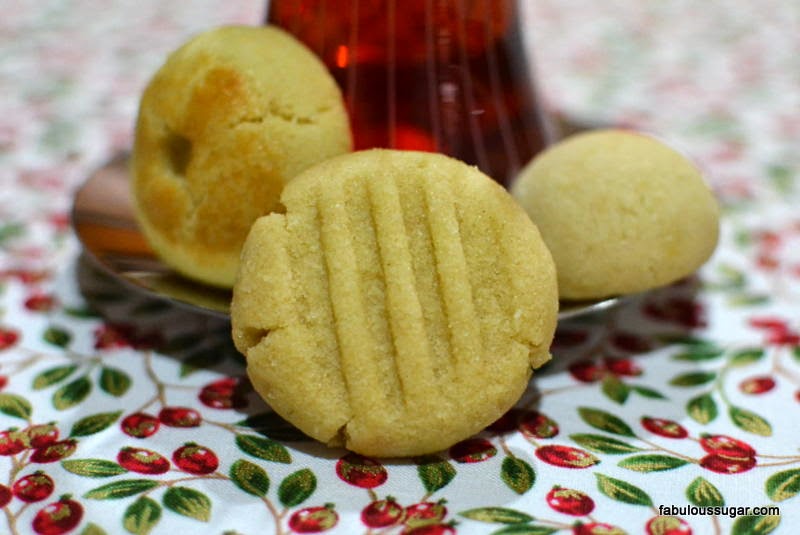

These biscuits were truly a delight. They came together quickly and were melt-in-the-mouth delicious. Perfect as a pick-me-up or hostess gift in a hurry. Or perhaps for no reason at all but to accompany glasses of umber-coloured Cay while contemplating the endless delightful possibilities awaiting on your holiday.


Chinese Almond Biscuits
Adapted from BreadetButter

150g Plain Flour
100g Ground Almonds
65g Caster Sugar
Scant 3/4 teaspoon Baking Powder
Scant 3/4 teaspoon Baking Soda
1/2 teaspoon Vanilla Essence
A few drops Almond Essence
A pinch of Salt
100ml - 150ml Grapeseed Oil (or any other odourless Oil)
1 Egg White, beaten

Preheat the oven at 140 Celsius. Line a baking tray and set aside. 

Put all the dry ingredients into a mixing bowl. Whisk everything together. Make a well in the centre and add in the Essences and a little of the Oil. 

With clean hands, gently bring the dry ingredients into the wet. Add the Oil little by little as you go until you have a soft, crumbly dough that comes away from the sides of the bowl cleanly. (depending on the weather and type of Oil used, you may need slightly more or less of it than stated in the recipe)

Roll into little balls and place on the baking tray. With a chopstick, make indents in the centre of each biscuit. Brush each biscuits with the Egg White. Bake at about 150 Celsius for about 20 - 25 minutes or until the tops turn a light golden brown. Leave to cool on the tray before storing in an airtight container.


Variation:
Coconut Oil Almond Biscuits

150g Plain Flour
50g Ground Almonds
60g Caster Sugar
1/2 teaspoon Baking Powder
1 teaspoon Vanilla Essence
A pinch of Salt
6 - 8 tablespoons of liquid organic virgin Coconut Oil

Preheat the oven at 140 Celsius. Line a baking tray and set aside. 

Put all the dry ingredients into a mixing bowl. Whisk everything together. Make a well in the centre and add in the Essence and a little of the Oil. 

With clean hands, gently bring the dry ingredients into the wet. Add the Oil little by little as you go until you have a soft, crumbly dough that comes away from the sides of the bowl cleanly. (depending on the weather and type of Oil used, you may need slightly more or less of it than stated in the recipe)

Roll into little balls and place on the baking tray. Bake at about 150 Celsius for about 20 - 25 minutes. Biscuits will not turn brown, but to avoid over-baking remove from the oven at the time specified. Leave to cool on the tray before storing in an airtight container. 


Semolina Almond Biscuits
Adapted from The Little Teochew

100g Plain Flour
60g Semolina
40g Ground Almonds
1/4 teaspoon Salt
1 teaspoon Vanilla Essence
A few teaspoons Ghee

Preheat the oven at 140 Celsius. Line a baking tray and set aside. 

Put all the dry ingredients into a mixing bowl. Whisk everything together. Make a well in the centre and add in the Essence and a little of the Ghee. 

With clean hands, gently bring the dry ingredients into the wet. Add the Ghee little by little as you go until you have a soft, crumbly dough that comes away from the sides of the bowl cleanly. 

Roll into little balls and place on the baking tray. Press down with the back of a fork. Bake at about 150 Celsius for about 20 - 25 minutes. Leave to cool on the tray before storing in an airtight container. 


Thursday, 24 April 2014

Claypot Chicken Rice


Claypot Chicken Rice is one of Malaysia's favourite hawker dishes. It's cooked in little claypots over a roaring fire, and has a lovely crusty bottom with succulent tender chicken pieces that steam with the rice. Mouthwateringly delicious.

The recipe I picked for Jesse and I to cook is from The Food Canon. After the success I had with the Char Siew recipe from the website, it's the first place I looked for Claypot Chicken Rice.

We took our time cooking this dish, stopping in between the cooking process to have a cuppa and snack on pineapple. We were richly rewarded in the end with a fabulous dish that sated our hunger. We rounded-off the meal with our Portuguese Custard Tarts and more tea.


CLAYPOT CHICKEN RICE (for 2-3 pax)
Adapted from The Food Canon

Preparing the Meat
About half a Chicken (800g - 1kg)
2 tablespoons Light Soya Sauce
2 tablespoons Oyster Sauce
2 tablespoons Chinese Wine
1 teaspoon Sugar
200ml Water

Cut-off and set aside the back bone, feet and less desirable parts for the stock. Cut the Chicken into small pieces, bone-in and skin-on. In a bowl add the rest of the ingredients and leave the Chicken to marinate for an hour.

Preparing the chicken stock
Add the pieces for the stock into a small saucepan with about 3 cups of water. Leave to simmer for about an hour.

Cooking the Rice
2 cups of Thai Jasmine Fragrant Rice
2 cups of Chicken Stock, strained

Add the Rice into the claypot. Add an equal amount of Stock into the pot. Be careful to keep to the 1:1 rice:liquid ratio. Cover and cook the pot on low flame for 10 minutes or until the Rice is cooked, i.e. the liquid has been absorbed and the Rice is fluffy.

Cooking the Meat
2 pieces of Chinese Waxed Sausages, sliced thinly (optional)
A little Salted Fish (optional)

As the Rice is cooking, slice the Waxed Sausages. When the Rice is cooked, open the lid of the pot and put the marinated Chicken pieces on top of the Rice. Stick to one single layer to ensure even cooking. Add the sliced Sausages on top and little pieces of Salted Fish into the pot. Cover and cook for another 15 minutes.

Preparing the sauce and garnishing the pot
Spring Onions
2 Red Chillies (optional)
1 tablespoon Dark Soya Sauce

For the Sauce
1 teaspoon Sesame Oil
1 tablespoon Light Soya Sauce
1 tablespoon Oyster Sauce
1 tablespoon Chinese Wine
1 teaspoon Sugar
1 teaspoon Salt
A little White Pepper Powder

Mix the sauce ingredients in a bowl. About 2 minutes before the pot of Rice is cooked, drizzle in the Sauce. Chop the Spring Onions and slice the Red Chillies. At the 25th minute mark, it should be done. Depending on the strength of fire and type of pot, the timing may vary, but it is easy to see to check whether the meat is cooked.

Just before you serve it at the dining table, drizzle in the Dark Soya Sauce, add the chopped Spring Onions and cut Red Chillies. When eating, give the Rice a stir first and scrape some of the crusted Rice at the bottom. Serve with with a dipping sauce of cut Chilies in Light Soya Sauce.


Monday, 17 March 2014

Homemade Wan Tan Mee


As you know, I was extolling the virtues of a delicious Wan Tan Mee in a previous post about Homemade Char Siew. Once I had the Char Siew and Wan Tan Soup ready, it was only a matter of putting them all together into a delicious lunch of Wan Tan Mee

HOMEMADE WAN TAN MEE
For 4 servings

4 pieces of fresh Wan Tan Noodles

1 teaspoon Dark Soya Sauce
1 teaspoon Light Soya Sauce
1/2 teaspoon Sesame Oil
2 teaspoons Char Siew sauce
A dash of White Pepper Powder


Kai Lan or Siew Bak Choy, blanched

Cooking the greens
Wash and cut off the ends of the Kai Lan or Bak Choy, whichever you're using. Bring a saucepan of water to boil. Add a teaspoon of Salt. Blanch the greens very quickly, remove and set aside.

Preparing the bowls
Set out 4 bowls on the kitchen counter-top near the stove. Measure out the Soya Sauces, Sesame Oil, Char Siew sauce and White Pepper into each one.

Cooking the noodles
Boil some water in a large, deep saucepan or pot. Put the Noodles in a colander or wire-basket ladle that will fit into the saucepan or pot. Ensure the water is boiling hot before you immerse the Noodles in it. Dip in and out for a few seconds and loosen the Noodles with a fork or chopsticks. Then, dip the Noodles quickly into some cold water to clear off any remaining residue of starch and then plunge into the hot water one last time before draining the water off and placing the Noodles in the prepared bowl. Using a fork or chopsticks, mix the Noodles and sauces together until well combined. Repeat the procedure until you have all the four bowls of Noodles ready.

Presenting the noodles
Divide the greens and Char Siew equally into the four bowls. Drizzle any remaining Char Siew sauce left over the Noodles in each of the bowls. Serve immediately with Wan Tan Soup on the side.

Homemade Wan Tan Soup


Homemade Char Siew (Char Siu)

I love a good Wan Tan Mee (mee means noodles in Malaysia) and usually get my fix from the local hawkers you find all over Kuala Lumpur and Petaling Jaya. It's cheap, quick and delicious... well, most of time.

The highlight of the Wan Tan Mee for me is always, always the Char Siew. It's the star of the show. The Wan Tan, noodles, etc. are all supporting actors and actresses. As far as I'm concerned the quality of Char Siew can make or break the deal. It can turn your meal into a delicious, lip-smacking (from all that porky lusciousness) delight or an unsatisfying, stomach turning affair.


Again (thanks to procrastination), I have spent lots of time over the years looking for Char Siew recipes online, but no time at all actually trying any of the recipes out. A few weeks ago, the desire to make a good Char Siew at home became unbearable, so I did one last search on the Internet for recipes, settled on one and headed out to the supermarket to buy the pork. 

The method I chose to cook the Char Siew in is slightly more complicated than what is described on The Food Canon. If you prefer less hassle, please follow his instructions. My cooking method was chosen simply because I hadn't used the Le Creuset in weeks and wanted to give it some 'airing' time. I have not tried his method myself, however there's no reason whatsoever why I cannot make Char Siew again... and again... and again. So there'll be another time to try it out, of that I'm sure!

How did my Char Siew turn out? Really well! I loved the flavour and choosing a piece of meat marbled with fat made all the difference. They were succulent morsels of honeyed meat that went so well with my Wan Tan Mee

Auntie Ruby's Char Siew (Char Siu)
Adapted from The Food Canon

About 400 - 450g Pork Shoulder, with fat marbling
2 tablespoons Peanut Oil
Pinch of Salt
1 teaspoon Sesame Oil
1 teaspoon Dark Soya Sauce
1 teaspoon White Pepper Powder
2 tablespoons Honey
2 tablespoons Brown Sugar
2 tablespoons Oyster Sauce
1 tablespoon Shiao Hsing Wine
1 bowl Water

Cut the Pork Shoulder into thick strips. Set aside.

In a Tupperware large enough for the Pork and marinade, pour in the Oil, Salt, Sesame Oil, Dark Soya Sauce, White Pepper, Honey, Oyster Sauce and Wine. Mix thoroughly. Add in the Pork Shoulder strips, cover and leave to marinate in the fridge for about 4 hours.

When ready to cook, remove the Tupperware from the fridge and transfer everything into a cast iron pot. Add the bowl of Water, put the cover on and cook for about 45 minutes in a 140 Celsius oven.

Meanwhile, line a square baking tin with foil making sure the four ends of the foil are turned up to form a bowl of sorts.

After 45 minutes, remove the pot from the oven. With thongs, remove the Char Siew strips and place it on the prepared baking tin. Set aside.

Put the cast iron pot (with the marinade juices) on a low fire and let the marinade turn slightly syrupy. into a sauce. If you use a cast iron pot, this should take you only a matter of minutes.

Remove the pot from the stove and let cool slightly. Transfer a little of the sauce into a small bowl. With a basting brush that can withstand heat (or a spoon in my case) baste the Char Siew strips with the sauce and a little extra Honey.

Turn on the grill in your oven to about 130 Celsius and slowly grill the meat on one side with the door open. Once you see char marks and the meat looks like Char Siew, remove the tin from the oven, turn the meat over with thongs, baste with the sauce and Honey and grill till you are happy with the char marks.

Remove from the oven and immediately cover with foil. Let the meat rest and come to room temperature before slicing thinly and eating it with the reserved sauce drizzled over.


Sunday, 16 March 2014

Homemade Wan Tan Soup


WAN TAN PARCELS
(makes approximately 20 parcels)
Pork, minced
Prawns, minced
Light Soya Sauce, to taste
White Pepper Powder, to taste
A little Cornflour
Wan Tan wrappers
A little Water

Wan Tan Soup
(serves 4)
1 Chicken stock cube
3 rice bowls of Water

Chives, chopped
More Water

Making the Wan Tan Parcels
Mix the Minced Pork, Minced Prawns, Light Soya Sauce, White Pepper Powder and Cornflour together in a bowl until well combined. Set aside.

Place a square Wan Tan wrapper on a clean, dry chopping board with a point facing upwards. Place a small teaspoonful of mince mixture in the middle. Wet the top edges with a little water and fold into a triangle. Press gently on the seams to ensure it is secure. Set aside. Do the same until all the mince mixture is used up.


Cooking the Wan Tan Parcels
In a saucepan, boil some water. Place Wan Tan parcels one at a time into the boiling water. Cook just until it floats to the top. Remove immediately and drain off the water. Set aside. 

Cooking the Wan Tan Soup
In a another saucepan, boil some water with the Chicken stock cube. Once the stock cube has dissolved, add in the drained Wan Tan parcels. Add some White Pepper Powder and a drizzle of Sesame Oil. Boil for a minute. Turn off the heat and sprinkle in the chopped Chives. Pour into a serving bowl and serve immediately while piping hot on its own or with Wan Tan Mee.